

If you’re looking to enhance your well-being, consider the six best grounding cords with resistors. The KooMall Safe Grounding Plug is perfect for ESD devices, while the GroundingWell Mat offers natural relief from pain. The 100k ohm resistor cord suits various setups, and the KooMall wrist strap is user-friendly. DESCO’s coiled cord guarantees a strong connection, too. These options prioritize safety and comfort, so stick around to find out more about what suits your needs best!
KooMall Safe Grounding Plug for ESD Devices

If you’re looking for a reliable grounding solution for your ESD-sensitive devices, the KooMall 1Meg Ohm Safe Grounding Plug is an excellent choice. This plug features a built-in 1Meg Ohm resistance, ensuring safe grounding even at 120V. Its user-friendly design allows for easy insertion and removal, eliminating the hassle of crocodile clips. Compatible with wrist straps and anti-static mats, it’s perfect for assembling or repairing smartphones, computers, and more. With two insulating plastic pins and a metal grounding pin, it provides effective ESD control while keeping your workspace safe from electrical hazards.
Best For: Professionals and hobbyists working with ESD-sensitive devices like smartphones, computers, and circuit boards.
Pros:
- 1Meg Ohm safety resistance ensures safe grounding even at 120V.
- User-friendly design allows for easy insertion and removal without the need for clips.
- Versatile compatibility with various anti-static mats and wrist straps enhances ESD control.
Cons:
- Limited to ESD-specific applications, may not suit all electrical tasks.
- Requires proper grounding setup to be fully effective.
- May be less familiar to users transitioning from traditional grounding methods.
GroundingWell Grounding Mat with 15ft Cord

The GroundingWell Grounding Mat with a 15ft cord is perfect for anyone seeking natural relief from discomfort and improved well-being. This mat effectively transfers the Earth’s electrons to your body, helping manage inflammation and reduce back pain by up to 80%. Made with premium conductive carbon fiber and a skin-friendly PU cushion, it’s both durable and comfortable. The mat’s 15ft cord includes a built-in 50K ohm resistor, ensuring safety against electrical surges. Whether you’re working or relaxing, its simple setup allows you to enjoy grounding benefits throughout your day, enhancing your sleep quality and lowering anxiety levels.
Best For: Individuals seeking natural relief from discomfort, improved sleep quality, and reduced anxiety levels.
Pros:
- Provides significant reduction in back pain and inflammation.
- Made from durable, comfortable materials that are skin-friendly.
- Easy to set up and use both at home and in the office.
Cons:
- Requires access to a grounded outlet for use.
- May take time for some users to notice benefits.
- Limited to indoor use due to cord length and setup.
Grounding Cord with 100k Ohm Resistor (15 Ft)
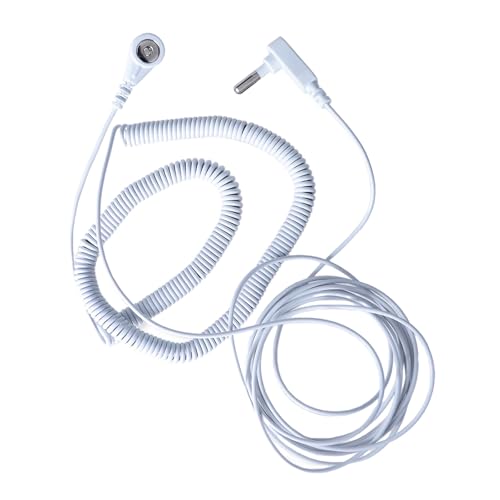
Looking for a reliable grounding solution? The Grounding Cord with a 100k Ohm Resistor (15 Ft) is perfect for you. It’s compatible with various earthing sheets, mats, and wrist straps, featuring 4mm snap and banana connectors for easy integration. The internal 100k ohm resistor guarantees safety by limiting current, protecting you from power surges. This cord effectively utilizes negative charges to counteract positive radicals, promoting better well-being. Made with durable copper wire, it assures reliable conductivity for your daily grounding routines. Enhance your health by incorporating this high-quality grounding cord into your home or office setup.
Best For: Individuals seeking a safe and effective grounding solution for their home or office setups.
Pros:
- Compatibility: Works seamlessly with various earthing sheets, mats, and wrist straps.
- Safety Features: Internal 100k ohm resistor protects against power surges.
- Durability: Constructed with copper wire for reliable conductivity and longevity.
Cons:
- Length Limitation: 15 ft may not be sufficient for larger spaces.
- Learning Curve: Users may need time to understand proper grounding techniques.
- Initial Cost: Higher upfront investment compared to basic grounding options.
KooMall Safe Grounding Plug for Wrist Straps

For those working with sensitive electronics, the KooMall Safe Grounding Plug is an essential tool. This 1Meg ohm plug connects effortlessly to wrist straps and anti-static mats, ensuring effective ESD control. Its built-in resistance and insulating design, featuring two plastic pins and a metal grounding pin, provide safe grounding, even at 120V. You’ll appreciate the round triangular shape for easy insertion and removal, making it portable and user-friendly. Whether you’re assembling smartphones, tablets, or circuit boards, this versatile plug is a must-have for reliable grounding, eliminating the hassle of crocodile clips. Stay safe and efficient in your electronic projects!
Best For: This product is best for electronics professionals and hobbyists who require safe and effective ESD control while working with sensitive devices.
Pros:
- 1Meg ohm built-in resistance ensures effective ESD control for optimal safety.
- Insulating design with two plastic pins and a metal grounding pin provides reliable grounding.
- User-friendly round triangular shape allows for easy insertion and portability.
Cons:
- May not be compatible with all outlet types outside the U.S.
- Requires a compatible earth outlet socket for proper use.
- Limited color options may not appeal to all users.
DESCO Coiled Ground Cord with Resistor (6′)

Experience reliable grounding with the DESCO Coiled Ground Cord, ideal for operators using wristbands. This 6-foot cord features a Jewel MagSnap Socket, ensuring a strong connection while you work. With a resistance of less than 3.5 x 10^7 ohms, it meets ANSI/ESD S20.20 standards for safety and effectiveness. The relaxed retraction design prevents tugging, enhancing your comfort. Plus, it’s been rigorously tested for durability, exceeding minimum requirements by 62 times. Each cord is date coded for quality assurance and is UL listed, giving you peace of mind as you focus on your tasks. Choose DESCO for dependable performance.
Best For: Operators in ESD-sensitive environments looking for reliable wrist strap grounding solutions.
Pros:
- Durable construction: Exceeds ESD S1.1 minimum requirements by 62 times, ensuring long-lasting performance.
- Comfortable design: Relaxed retraction coil cord minimizes tugging, enhancing user comfort during use.
- Safety certified: UL listed and meets ANSI/ESD S20.20 standards for effective grounding.
Cons:
- Limited length: At 6 feet, may not reach distant grounding points in larger workspaces.
- Coiled design: Some users may prefer straight cords over coiled for ease of movement.
- Initial cost: Higher upfront cost compared to basic grounding cords might deter budget-conscious buyers.
Bertech ESD Anti-Static Grounding Cord (15′)

The Bertech ESD Anti-Static Grounding Cord (15′) is perfect for professionals in electronic assembly. This durable cord helps prevent electrostatic discharge, keeping your sensitive equipment safe. With a length of 15 feet, you can easily reach your work area without constraints. It features a Common Point Ground with two banana jacks and a 10mm male snap, making it versatile for various setups. The included 1 megohm resistor enhances safety, ensuring you stay protected while working. If you’re in an environment sensitive to static electricity, this grounding cord is an essential tool to enhance your well-being and productivity.
Best For: Professionals in electronic assembly and environments sensitive to static electricity.
Pros:
- Durable construction from rugged vinyl ensures long-lasting use.
- 15-foot length provides flexibility in reaching various work areas.
- Safety features include a 1 megohm resistor to prevent electric shock.
Cons:
- Limited to specific environments; may not be necessary for non-electronic workspaces.
- The cord may be cumbersome for small or confined work areas.
- Requires proper setup to ensure effective grounding, which may be a learning curve for new users.
Factors to Consider When Choosing Grounding Cords With Resistors
When choosing grounding cords with resistors, you’ll want to reflect on several key factors. The resistance value plays a vital role in performance, while cord length can impact usability. Additionally, verify the connectors are compatible and the materials are durable for long-term use.
Resistance Value Importance
Choosing the right resistance value in grounding cords is crucial for maintaining safety and effectiveness. The resistance helps limit current flow, protecting you from electrical surges and potential shocks. A typical resistance value of 1 megohm is often used, guaranteeing ESD control while keeping you safe at voltages up to 120V. If you opt for cords with lower resistance, you risk exposure to harmful currents, making it important to select cords with appropriate resistance levels to avoid electrical hazards. Additionally, the resistor helps dissipate static charges, reducing the chances of electrostatic discharge that can damage sensitive electronics. Always verify your grounding cords comply with standards like ANSI/ESD S20.20 to ensure proper grounding and safety in sensitive environments.
Cord Length Considerations
While selecting grounding cords, considering cord length is essential for ideal performance and safety. Grounding cords typically range from 6 to 15 feet, offering flexibility based on your workspace layout and mobility needs. If you have a larger area or multiple devices that need grounding, longer cords will provide the necessary reach. However, shorter cords can help minimize clutter and reduce tripping hazards in tighter spaces, promoting a safer environment. Remember to evaluate the distance from your grounding outlet to your workspace; a longer cord might be necessary if the outlet is far away. Just be cautious—excessively long cords can lead to signal degradation, diminishing their effectiveness in preventing static discharge.
Connector Compatibility Factors
Cord length isn’t the only factor to think about; connector compatibility plays an essential role in guaranteeing your grounding system works effectively. When choosing grounding cords, make certain they have compatible connectors, like 4mm snaps or banana jacks, to seamlessly integrate with your existing equipment. Check the specifications for connector types, as some cords may have unique designs that limit compatibility. Also, consider the resistance ratings; specific setups may require certain values for safe grounding and effective electrostatic discharge (ESD) control. Finally, evaluate the material quality of the connectors. Durable options enhance reliability and longevity, reducing wear and tear during frequent use. Choosing the right connectors will guarantee your grounding system functions at its best.
Safety Features Evaluation
When evaluating grounding cords with resistors, it’s important to prioritize safety features that protect you from electric shock. Look for cords with built-in resistors, like 1 megohm or 100k ohm, which limit current flow during use. Confirm these resistors meet safety standards, such as ANSI/ESD S20.20, to provide effective electrostatic discharge (ESD) protection. Evaluate the insulation materials used in the cord, making sure they effectively prevent electrical hazards while maintaining grounding efficiency. Consider the length of the cord and its connectors to verify compatibility with various setups, enhancing ease of use. Finally, check for additional safety features, like surge protection mechanisms, to further safeguard you when connecting to standard outlets.
Material Durability Assessment
Choosing the right materials for grounding cords with resistors is essential for ensuring durability and long-term performance. Look for rugged vinyl or conductive carbon fiber, as these materials resist wear and tear. Additionally, consider strain relief features; they greatly reduce failure risks during repeated use. The resistance rating—like 1 megohm or 100k ohm—plays a vital role in safety, protecting your equipment and you from electrical surges. Keep in mind that cord length affects durability; longer cords can tangle and wear out faster, while shorter cords offer more control. Finally, choose materials that are skin-friendly and water-resistant to enhance comfort and longevity in various environments.
User-Friendly Design Elements
After evaluating material durability, it’s important to focus on user-friendly design elements that enhance the overall experience with grounding cords. Look for a round triangular body; it makes insertion and removal simple, streamlining your setup. Cord length matters too—longer options, like 15 feet, give you the freedom to move while staying grounded. Opt for cords with snap or banana connectors for effortless integration with various ESD devices, ensuring compatibility. Lightweight materials and ergonomic designs help reduce strain, allowing for prolonged use without discomfort. Finally, visual indicators or color coding can quickly show you grounded connections, enhancing safety and efficiency in your ESD control setups. Choosing these features will considerably improve your grounding experience.
Versatile Application Scenarios
Considering how essential grounding cords with resistors are in preventing electrostatic discharge (ESD), it’s important to understand their versatile application scenarios. These cords are critical in electronic assembly, protecting sensitive components from damage. You can easily use them with wrist straps, anti-static mats, and other grounding devices, ensuring effective ESD control across various environments. Many cords are designed to fit seamlessly with popular earthing sheets and mats, enhancing compatibility and convenience. With built-in resistors rated around 1 megohm or more, they provide a safe path to ground, limiting current flow and protecting you from electrical surges. Whether at home or in a professional setting, grounding cords help mitigate static charge, improving your comfort and safety during electronic repairs or assembly tasks.
Brand Reputation Significance
Trust plays a pivotal role when selecting grounding cords with resistors. Brand reputation is essential, as it often reflects the quality and reliability of the cords you choose, impacting your safety and the effectiveness of electrostatic discharge (ESD) control. Established brands typically adhere to industry standards, ensuring their products undergo rigorous testing for safety and performance. Customer reviews provide valuable insights into the durability and effectiveness of grounding cords, guiding your purchase decision. A reputable brand often offers better warranties and customer service, vital for addressing any issues that may arise. Plus, well-regarded brands are more likely to invest in research and development, leading to innovative features and enhanced safety measures in their grounding cords.


